


Meno Pro
4.41.00 Reviews
App Specs
- Version
- 1.1.0
- Updated On
- License
- Free
- Downloads
- 10,000+
- Developer
- SOMEET TECHNOLOGY LIMITED
- Categories
- Lifestyle
- Platform
- Android
Screenshots
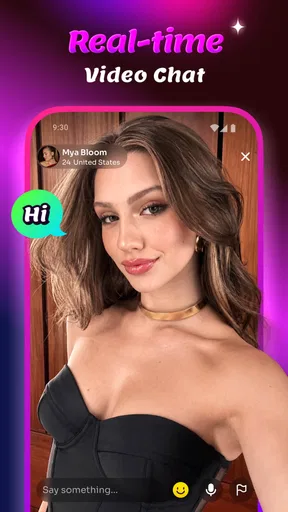

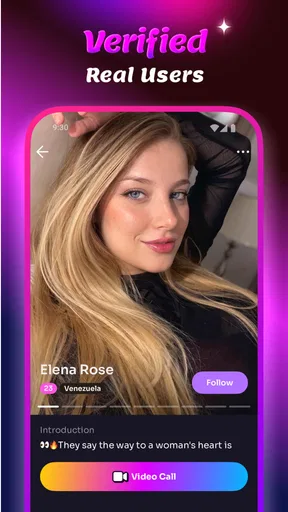
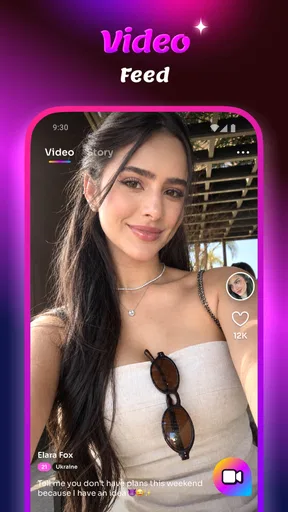
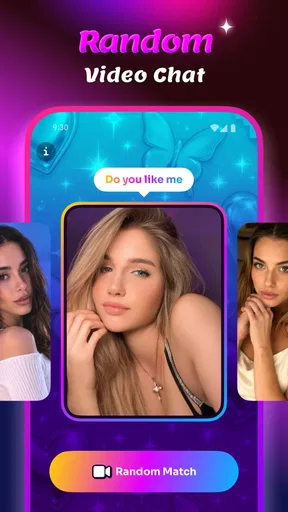
 Analysis by AppCompare
I approached Meno Pro as a social lifestyle app built around video conversations with new people. Its central idea is simple: open the app, meet someone unfamiliar, and use live video rather than relying only on text. That makes it feel more immediate than a conventional messaging service, but it also means trust and personal boundaries matter from the first tap. My overall impression is that Meno Pro can suit adults who genuinely want spontaneous social contact, provided they are comfortable making careful decisions about what they reveal on camera.
The app is free to install, and its store presence identifies SOMEET TECHNOLOGY LIMITED as the developer. It has a 4.4 average from around 119 ratings and has passed 10K+ installs, so there is at least a small visible user base to consider. It is listed for mature users aged 17 and over, which is important context rather than a minor label: live video with strangers is a very different proposition from a casual photo-sharing or offline lifestyle tool.
What I like most about the concept is that it does not pretend a typed profile can fully represent a person. A short conversation can reveal tone, humor, awkwardness, or compatibility much faster than a long exchange of messages. At the same time, that immediacy is also the app’s main challenge. A user has less time to think before responding, and a camera can expose more than intended. I would recommend treating the first conversation as a controlled introduction, not as an invitation to share your private life.
How Meno Pro feels when trust is the main concern
I find it useful to decide on my boundaries before opening a live-video app, rather than trying to work them out mid-conversation. That small pause helps me separate a pleasant chat from a reason to share more personal details, and it gives me a clear standard for ending contact. Next, I’d look at the choices available in the app and on my phone, so the routine feels deliberate rather than improvised.
A social app where the first decision is personal, not technical
Meno Pro’s store summary presents it as a place for happy video chats with new friends. In practice, that promise depends less on a complicated feature set and more on the quality of each interaction. The app is useful for someone who enjoys meeting unfamiliar people and can leave a conversation without feeling pressured to continue. It is less suitable for anyone who wants a carefully filtered community, a purely text-based experience, or a platform where every interaction can be reviewed slowly before contact begins.
I found the mature age label especially relevant when deciding whether to recommend it. It does not tell me that every conversation will be adult in tone, nor should it be treated as a guarantee of safety. It simply sets an important expectation about the kind of social environment the app is intended for. I would not hand it to a younger teenager, and I would advise any adult user to keep the first few chats general until the other person has earned more trust.
The current version is 1.1.0 and the app supports Android 7.0 or later. That broad compatibility is convenient for people using an older Android phone, although compatibility alone says nothing about how smoothly video will run on a particular device or network. A stable connection, a quiet place, and a camera position that does not reveal your surroundings will make a bigger difference to the experience than the version number.
Worth Reading Before You Choose

Flipboard Shows What News Apps Must Do Beyond the Feed

Switching to Android Auto Means Rethinking Your Driving Routine

Google Calendar Makes a Crowded Week Easier to Manage

Ludo King Makes the Most of the Minutes Between Plans

Baby Panda World Brings Quick Play to Modern Phones, but Its Game Library Feels Busy

ESPN’s Live Game View Makes Following Close Games Easier
What the public signals can and cannot tell me
The 4.4 average is encouraging, but I would read it as a general sign of user satisfaction rather than proof that every conversation is enjoyable. With around 119 ratings and only one written review visible, there is limited public detail to help a new user understand how people handle awkward contacts, unwanted attention, or account problems. That is not a reason to reject the app, but it is a reason to use a gradual approach instead of assuming the community will behave exactly as hoped.
The install count of 10K+ suggests that Meno Pro is not an entirely empty experiment, yet it remains much smaller than the most established social platforms. That can be a benefit if you prefer a less crowded service, but it may also mean fewer potential matches or a less predictable flow of conversations. I would judge it by the quality of the people I can actually meet in my region and at the times I use it, not by the presence of a download figure alone.
For me, trust begins with visible choices. Before starting a conversation, I would look for the controls the app presents around profiles, contact flow, blocking, reporting, and account management. I would use those controls immediately if they are available rather than waiting for a bad interaction. I also would not assume that a friendly video call makes someone verified, known, or safe outside the app. The distinction matters because a pleasant first chat can still be followed by requests for money, private contact details, or more revealing images.
Permissions and data-sensitive moments deserve attention
Video chat naturally involves sensitive moments. The camera can show your face, room, clothing, paperwork, family photos, work screens, or the location of your home. The microphone can pick up names, conversations, and background details even when you are focused on the other person. I therefore recommend checking the app’s permission prompts carefully and granting access only when it is needed for the feature I am using. If I am not planning to chat, I would keep the camera and microphone unavailable through the phone’s settings rather than leaving access open by habit.
A practical setup makes a surprising difference. I would test the camera with a neutral background, remove visible addresses and documents, turn off message previews on the screen, and use headphones if other people are nearby. This is not overcautious for a live-video service; it is a simple way to control information that can leak without anyone asking for it directly. I would also avoid using the app while commuting or walking, because a moving background can reveal regular routes and recognizable places.
Another useful habit is to separate the app from my most identifying accounts. I would choose a display name that does not expose my full legal name, avoid showing workplace logos, and refrain from connecting the conversation to personal profiles until I have a clear reason to do so. If someone insists on moving immediately to another service, asks for a phone number, or wants a private image before a normal conversation has developed, I would end the interaction. The ability to leave quickly is more valuable than trying to be polite.
I would also pay attention to the wording of every permission request and privacy choice shown inside the app. The safe approach is not to guess what Meno Pro collects or stores, but to read the explanations presented on the device and in the app’s own account or privacy areas. If a choice is optional, I prefer leaving it off until I understand the benefit. If a setting is unclear, I would avoid sharing more personal material rather than treating uncertainty as permission.
How I would handle a normal evening with the app
Imagine I have finished work and want a short conversation with someone outside my usual circle. I would use Meno Pro from a private but neutral room, keep the first chat focused on ordinary interests, and set myself a small time limit. That limit helps in two ways: it prevents a conversation from becoming more intimate simply because it has continued for a long time, and it gives me a natural reason to leave if the tone changes.
During the call, I would watch for behavior rather than relying on charm. Does the other person respect a simple “I would rather not discuss that”? Do they keep the camera pointed in a reasonable direction? Do they become irritated when I decline to share another account? These signals tell me more than a polished introduction. If the exchange feels comfortable, I can choose to speak again later; I do not need to provide a personal number or reveal my routine immediately.
Afterward, I would take a moment to decide whether I want further contact. That pause is one of the most useful habits for this kind of app because live conversation can create a false sense of closeness. If the interaction was uncomfortable, I would use the relevant in-app control to stop contact, block the user, or report the behavior if those options are presented. I would not continue replying just to explain why I am leaving.
Where the app gives me agency, and where I would stay cautious
A good social app should let me control how much access another person gets. In Meno Pro, I would actively look for account controls and interaction controls rather than assuming they are automatic. Useful choices include deciding when the camera or microphone is active, ending a call without negotiation, limiting profile details, and removing access to the app through Android settings when I am finished. These are small actions, but together they keep the experience on my terms.
I would also treat paid elements carefully. Meno Pro is free to install, while in-app purchases are listed from $4.99 to $99.99 per item. That range is wide enough that I would not tap a purchase button casually, especially during an emotionally engaging conversation. Before spending, I would check exactly what the item unlocks, whether it is necessary for the basic experience, and whether the payment is recurring or one-time as described on the purchase screen. I would enable purchase authentication on my device and avoid buying anything to impress, retain, or reward a stranger.
This is an important trade-off compared with ordinary messaging apps. A standard messenger may offer more familiar contact management and a clearer separation between people I already know. Meno Pro’s advantage is spontaneity: video can make a new interaction feel more human immediately. Its disadvantage is that spontaneity reduces the time available for screening and increases the chance of sharing too much too soon. If my priority were reliable communication with friends, I would choose the messenger I already use. If my priority were meeting unfamiliar people through live conversation, Meno Pro would be the more relevant experiment.
It also differs from slower discovery services where users browse profiles, read detailed descriptions, and decide whether to send a message. Those services give me more control before contact, while Meno Pro appears aimed at a quicker social rhythm. I would choose the slower alternative if I wanted carefully defined interests, extensive profile information, or a strong record of previous interactions. I would choose Meno Pro when I value the immediacy of seeing and hearing someone, and when I am prepared to end conversations that do not feel right.
Who should try it, and who should skip it
I think Meno Pro is best for adults who enjoy brief, informal conversations and are comfortable managing boundaries without needing constant reassurance. It may appeal to someone who has moved to a new place, wants low-pressure social contact after a long day, or simply prefers voice and facial expression to endless typing. The free entry point makes it easy to test the basic idea before deciding whether it fits a person’s habits.
I would skip it if I am uncomfortable appearing on camera, if I need a highly moderated environment, or if I tend to agree to requests when I feel socially pressured. I would also choose another kind of app if I need dependable contact with existing friends, professional networking, structured dating filters, or an extensive privacy dashboard that I can inspect before sharing anything. Meno Pro’s appeal is narrow but clear; it should not be forced into a role it was not designed to fill.
The developer, SOMEET TECHNOLOGY LIMITED, gives the app a clear identity in the listing, but the developer name by itself should not replace my own checks. I would still read the permission prompts, inspect the account options, review purchase screens, and make sure I know how to stop contact. Trust is built through those visible decisions and through the behavior of the people I meet, not through a name or a rating alone.
My cautious verdict after weighing the everyday experience
Meno Pro has a straightforward reason to exist: it makes meeting new people feel more immediate by putting video at the center. I can see the appeal, especially for someone who finds text conversations flat or wants a quick social exchange without arranging a formal event. The experience can be enjoyable when both people respect the same limits, and the mature audience label helps set a more realistic expectation than a general-purpose chat app would.
Still, I would not describe it as a turn-off-and-forget social tool. The camera, microphone, personal setting, and paid options all require active judgment. My strongest advice is to begin with a neutral background, limited personal information, a short first conversation, and no purchases. Let trust develop through repeated respectful behavior rather than through one unusually friendly call.
In the end, I would recommend trying Meno Pro only if its live-video format matches what I actually want from social discovery. I would keep my expectations measured because the public feedback is still limited, and I would use every account, permission, and device control available to preserve my choices. The app is most worthwhile when spontaneity is paired with deliberate boundaries; without that balance, its defining feature can become its biggest source of friction.
Pros
- Simple interface makes tracking menstrual cycles quick and easy.
- Helpful period predictions support better planning and preparation.
- Custom reminders can help users remember upcoming cycle events.
- Private health tracking can make personal data easier to organize.
- Useful insights may help identify changes in cycle patterns over time.
Cons
- Predictions may be inaccurate for irregular or changing cycles.
- Some features may require a premium subscription or in-app purchase.
- Health insights should not replace advice from a qualified medical professional.
- Entering data consistently is necessary for more reliable results.
- Privacy policies should be reviewed before adding sensitive health information.
FAQs for Meno Pro
What is Meno Pro and who is it designed for?
Meno Pro is a mobile health and wellness app focused on helping users manage menopause-related symptoms and better understand changes in their body. It may offer educational content, symptom tracking, lifestyle guidance, and personalized recommendations. The app is generally intended for people experiencing perimenopause, menopause, or related concerns, although the available tools and suitability can vary by region and subscription plan.
Can Meno Pro diagnose menopause or replace medical advice?
No. Meno Pro should be considered an informational and tracking tool rather than a diagnostic service. Its questionnaires, predictions, and recommendations cannot replace an appointment with a qualified doctor or other healthcare professional. Menopause symptoms can overlap with other medical conditions, so users should seek professional advice for persistent, severe, unusual, or rapidly changing symptoms instead of relying only on information provided by the app.
What features can I expect after installing Meno Pro?
After installation, Meno Pro may provide tools for recording symptoms, monitoring patterns, learning about hormonal changes, and receiving wellness suggestions related to sleep, mood, nutrition, exercise, or hot flashes. Some features may require users to complete an onboarding questionnaire so the app can personalize its content. Because features can change with updates, device type, location, and account level, checking the current store listing is recommended.
Is Meno Pro free to download, and does it require a subscription?
Meno Pro may be available to download at no initial cost, but some content or advanced tools can be locked behind a subscription, trial, or in-app purchase. Before starting a trial, carefully review its duration, renewal date, price, and cancellation terms shown in the Google Play Store or Apple App Store. Uninstalling the app normally does not cancel an active subscription, so cancellation must be completed through the relevant store account.
Is my health information safe when using Meno Pro?
Before entering sensitive information, review Meno Pro’s privacy policy and the permissions requested during setup. Health details, symptom records, account information, and usage data may be collected or processed depending on the app’s services and your settings. Use a strong account password, avoid sharing login details, and disable permissions that are not necessary. If privacy is a major concern, confirm how data is stored, used, shared, and deleted.


